
Recognizing the signs of gambling addiction A guide to awareness and support
Understanding Gambling Addiction
Gambling addiction, also known as pathological gambling, is a behavioral disorder characterized by an uncontrollable urge to gamble despite the negative consequences it may bring. This addiction can severely impact an individual’s personal life, relationships, and financial stability. Unlike occasional gamblers who can enjoy betting as a form of entertainment, those suffering from addiction experience a compulsive need to gamble, often chasing losses and using gambling as a means to escape reality. At https://spinkocanada.com/, players can explore a range of games that highlight this thrilling yet risky behavior.
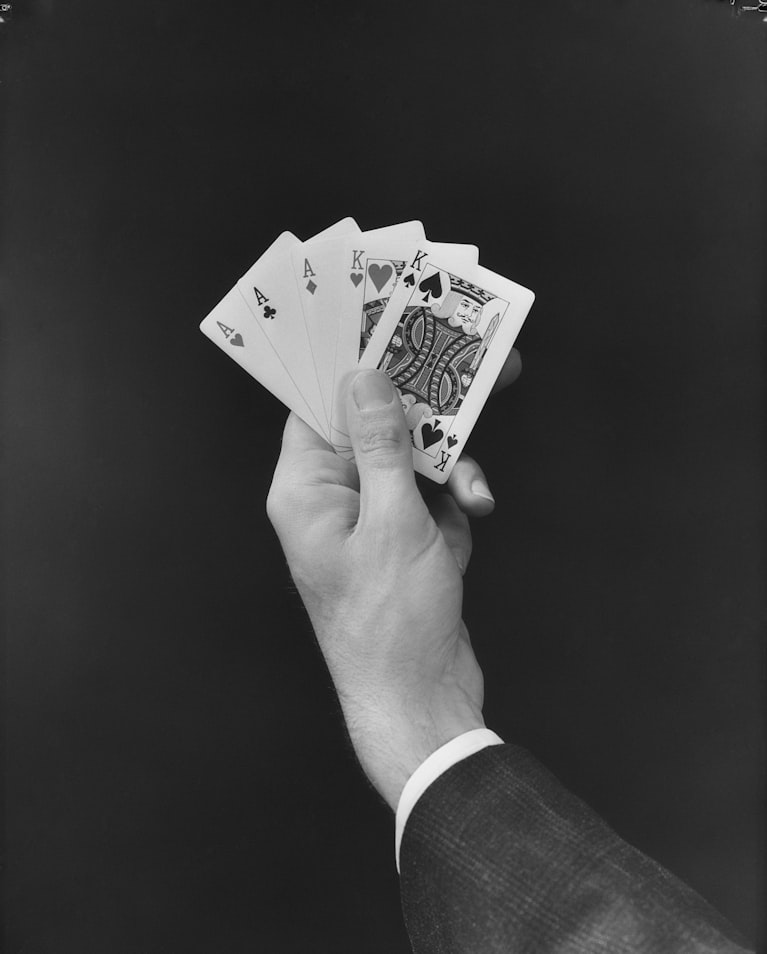
In understanding gambling addiction, it’s crucial to recognize that it can affect anyone, regardless of age, gender, or socioeconomic status. People may initially engage in gambling for fun, but the thrill of winning can lead them down a dangerous path. The brain’s reward system becomes hijacked, making it difficult for individuals to resist the urge to gamble, even when they know it’s detrimental. This understanding lays the foundation for identifying potential signs of addiction.
Furthermore, societal perceptions of gambling often glamorize the activity, which can obscure the reality of addiction. The portrayal of gamblers as lucky winners can create false narratives that make it challenging for individuals to acknowledge their struggles. Education and awareness are key components in breaking down these stereotypes and fostering a more supportive environment for those affected by gambling addiction.
Common Signs of Gambling Addiction
Recognizing the signs of gambling addiction is the first step toward seeking help. One of the most prevalent indicators is a preoccupation with gambling. This often manifests as constantly thinking about past gambling experiences, planning the next gambling session, or feeling restless or irritable when unable to gamble. This mental fixation can consume an individual’s thoughts and affect their ability to focus on daily responsibilities.
Another significant sign is an increasing need to gamble with larger amounts of money to achieve the desired excitement. Individuals may find that the initial thrill diminishes over time, prompting them to place larger bets to recapture that feeling. This behavior can lead to escalating financial risks, with individuals often spending money they cannot afford to lose, thereby plunging themselves deeper into debt.
Additional behavioral signs include lying about gambling habits or hiding losses from friends and family. This dishonesty can lead to strained relationships and isolation, further exacerbating the problem. Individuals may also experience emotional distress, including anxiety or depression, as the consequences of their gambling behavior become more pronounced. Recognizing these signs is crucial for intervening and offering support to those in need.
The Emotional Impact of Gambling Addiction
The emotional toll of gambling addiction can be devastating, both for the individual and their loved ones. Feelings of guilt, shame, and hopelessness often accompany the addiction, leading to a vicious cycle where the individual gambles to cope with these negative emotions. As the addiction progresses, the emotional distress may escalate, causing further irrational decision-making and deeper involvement in gambling activities.
In many cases, individuals suffering from gambling addiction may experience significant relationship issues. Partners, family members, and friends may feel betrayed, confused, and hurt by the gambler’s actions. Communication often breaks down, leading to feelings of isolation and loneliness. The emotional strain can create a disconnect, where loved ones feel helpless and powerless to intervene, further complicating the recovery process.
Seeking emotional support is vital for both the affected individuals and their families. Professional counseling or support groups can provide a safe space to discuss feelings and develop coping strategies. Emotional healing is an essential component of recovery, as addressing the psychological aspects of addiction can pave the way for healthier habits and rebuilding relationships.
Steps to Seek Help and Support
Recognizing that one needs help is a courageous step toward recovery from gambling addiction. The first action to take is to reach out for support, whether through professional counseling, support groups, or trusted friends and family. Many organizations offer resources and guidance specifically tailored to individuals struggling with gambling addiction, and seeking their assistance can provide invaluable insight into the recovery process.
Developing a plan to address gambling behaviors is another critical step. This may involve setting limits on gambling activities, such as restricting access to casinos or online betting platforms. Creating a budget can help individuals manage their finances more effectively and avoid impulsive gambling decisions. Additionally, cultivating healthier hobbies and interests can redirect focus away from gambling, helping to establish a more balanced lifestyle.
Education about gambling addiction is also a powerful tool. Understanding the underlying mechanisms of addiction can empower individuals to make informed choices. Learning about the triggers that lead to gambling urges can help people identify and manage these situations proactively. By building a robust support network and embracing education, individuals can take significant strides toward recovery and reclaim control over their lives.
Supporting a Loved One with Gambling Addiction
If someone you care about is struggling with gambling addiction, providing support and understanding is essential. It’s important to approach the situation with empathy and without judgment. Encourage open communication, allowing your loved one to express their feelings and experiences. By fostering a safe environment, you can help them feel more comfortable discussing their challenges and seeking help.
Educating yourself about gambling addiction can enhance your ability to offer meaningful support. Understanding the signs and emotional impact can help you navigate difficult conversations and develop strategies to assist your loved one effectively. It is vital to set boundaries and express concern for their well-being without enabling their addiction. This balance can be challenging but is crucial for encouraging recovery.
Encouraging professional treatment is often a necessary part of the support process. Whether through therapy, support groups, or rehabilitation programs, professional help can provide the necessary tools for recovery. Your role as a supporter can make a significant difference in their journey toward healing, but it’s important to take care of your own emotional needs as well, ensuring you have the strength to be there for them.

About Our Website
Our website serves as a comprehensive resource dedicated to raising awareness about gambling addiction and providing support for those affected. We offer informative articles, personal stories, and expert insights to help individuals understand the complexities of gambling addiction and the paths to recovery. Our goal is to create a supportive community where individuals and families can find the resources they need to navigate the challenges associated with gambling.
In addition to educational content, we provide connections to support services and treatment options. Whether you are seeking help for yourself or a loved one, our platform aims to guide you toward the right resources. By fostering an environment of understanding and compassion, we hope to empower individuals to take the necessary steps toward recovery and healing.